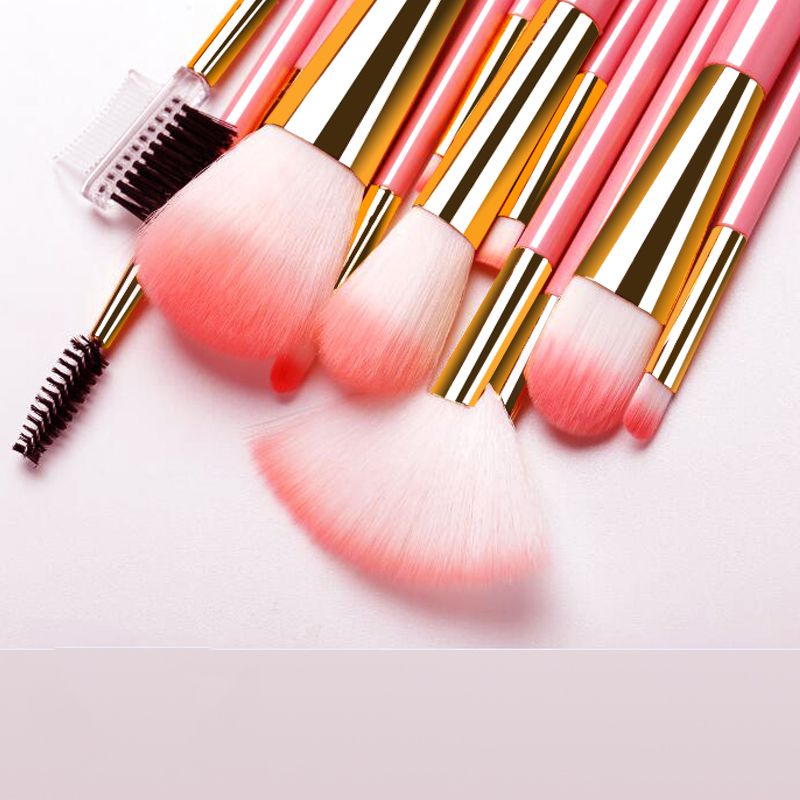
Brush Manufacturers Expand Production Lines to Meet Peak Season Demand
Brush Manufacturers Ramp Up Production Lines to Meet Surging Peak Season Demand
As the global beauty industry continues to thrive, cosmetic brush manufacturers are facing a critical challenge: meeting the skyrocketing demand during peak seasons. From holiday shopping sprees to major promotional events like Black Friday and Singles’ Day, the fourth quarter of each year traditionally sees a 40-60% surge in orders for makeup brushes and brush filaments, according to industry reports. To stay ahead, leading manufacturers are aggressively expanding production lines, integrating advanced technologies, and optimizing supply chains to ensure timely delivery and quality consistency.
The driving force behind this demand spike lies in two key trends. First, the post-pandemic recovery has fueled a rebound in in-person beauty routines and social events, pushing consumers to invest in high-quality tools. Market research firm Statista notes that the global cosmetic brush market is projected to grow at a CAGR of 5.2% from 2023 to 2028, reaching $1.8 billion by 2028. Second, the rise of social media and beauty influencers has amplified product visibility, with viral tutorials and “must-have” lists driving bulk orders from both retailers and direct-to-consumer brands. For instance, synthetic brush filaments, prized for their cruelty-free appeal and durability, now account for over 65% of global brush material demand, up from 50% five years ago.
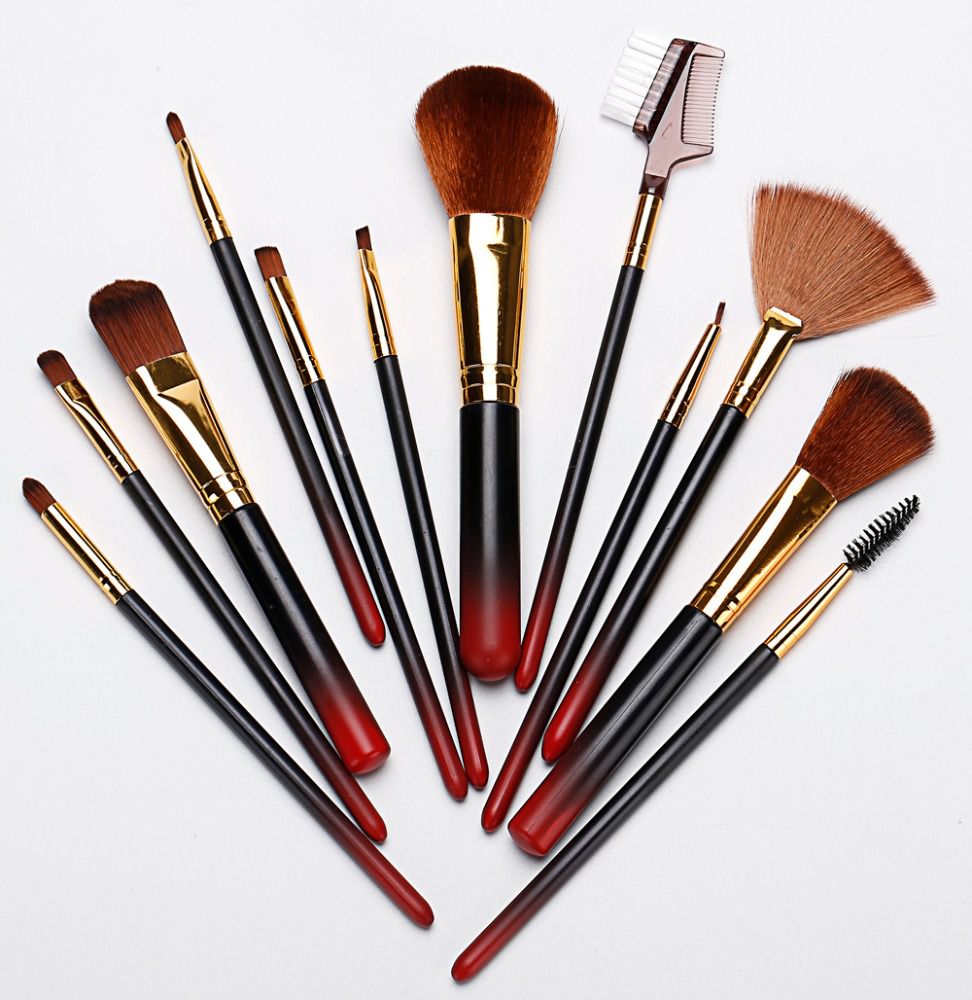
To address this surge, manufacturers are taking multi-faceted actions. Production line expansion is at the forefront: many factories are adding 3-5 new assembly lines, increasing floor space by 20-30%, and hiring seasonal workers to boost output. A leading brush manufacturer in China, for example, recently invested $2 million in new automated machinery, including precision filament cutting systems and robotic quality control stations, which has reduced production time per unit by 25% and cut labor costs by 18%. “We used to struggle with 45-day lead times during peak season; now we can deliver bulk orders in 30 days,” says a production manager at the firm.
Beyond quantity, quality remains non-negotiable. Advanced technologies are being integrated to maintain standards. AI-powered optical inspectors now scan each brush for bristle density, length uniformity, and handle adhesion, ensuring a 99.8% pass rate—up from 95% with manual checks. Additionally, R&D teams are focusing on innovative materials: bio-based synthetic filaments, made from plant-derived polymers, are gaining traction for their eco-friendly profile, aligning with the EU’s strict sustainability regulations. These materials not only meet consumer demand for green products but also offer better heat resistance and softness, competing with premium natural hair brushes.
Supply chain resilience is another critical focus. Manufacturers are stockpiling key raw materials—such as nylon 6/6 filaments, wooden handles, and aluminum ferrules—3-4 months in advance to avoid shortages. Partnerships with logistics providers are also being strengthened: some companies are leasing additional warehouse space near major ports and negotiating priority shipping slots to bypass peak-season delays. “Last year, 15% of our orders were delayed due to port congestion; this year, by pre-positioning inventory in regional hubs, we’ve cut that risk to under 5%,” explains a supply chain director at a brush manufacturer.
Looking ahead, the trend of proactive production expansion is likely to persist. With beauty consumers increasingly prioritizing both quality and sustainability, manufacturers are not just scaling up—they’re scaling smart. Investments in automation, green materials, and agile supply chains will not only help meet this year’s peak demand but also position brands to capitalize on long-term market growth. As one industry expert puts it: “In today’s beauty market, the ability to deliver high-quality products on time isn’t just a competitive advantage—it’s a survival necessity.”